Are Your Contact Lens Habits Harming Your Eyes?
Contact Lens Health Week is the perfect time to take a closer look at the small habits that may be putting your eye health at risk. While contact lenses are a convenient alternative to glasses, frequent improper care or casual routines can lead to discomfort, infection and even long-term damage to your eyes.
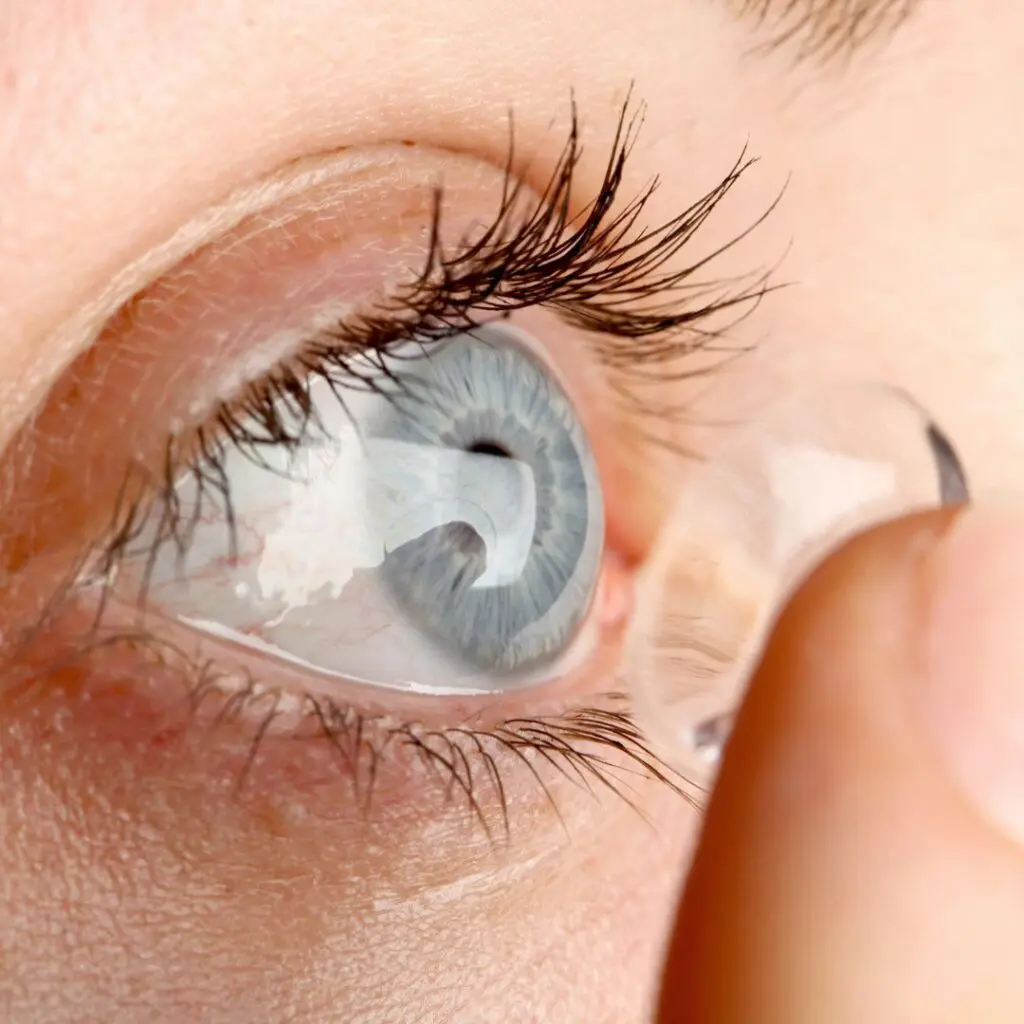
Here are seven common contact lens habits that may be doing more harm than good, and what you can do to change them.
1. “Topping Up” Your Solution
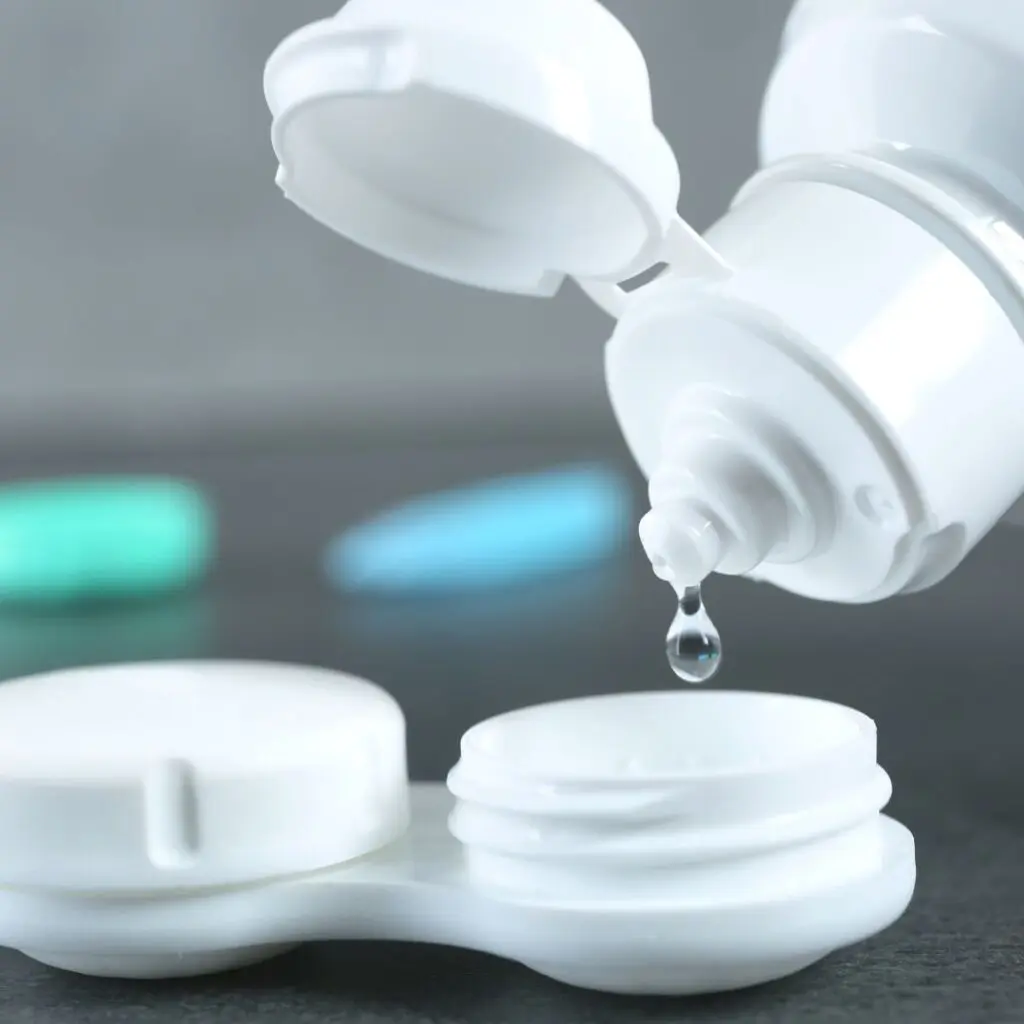
Just adding more solution to your lens case? This dilutes the disinfectant and allows bacteria to thrive.
What to do instead: Always discard old solution and fill your case with fresh solution every time.
2. Sleeping in Your Lenses
Even “extended wear” lenses reduce oxygen to the eye. Overnight wear increases your risk of serious eye infections.
Tip: Always remove lenses before sleeping — and speak to your optometrist if you need longer-wear options.
3. Showering or Swimming in Lenses
Water contains microbes that can stick to lenses and cause infections like Acanthamoeba keratitis, which can lead to vision loss.
Solution: Always remove lenses before swimming or showering. Use prescription goggles if needed.
4. Not Cleaning Your Case
Your lens case can build up biofilm and bacteria, even if you change the solution regularly.
Best practice: Rinse your case daily with fresh solution and let it air-dry. Replace the case every 1–3 months.
5. Wearing Lenses Past the Recommended Time
Stretching wear beyond the recommended time can compromise lens quality and increase the risk of eye irritation and infection.
Advice: Follow your lens schedule — daily, bi-weekly, or monthly — as prescribed.
6. Touching Lenses with Unwashed Hands
It’s easy to forget, but hands carry germs and oils that can contaminate your lenses.
Reminder: Wash and dry your hands thoroughly before handling your lenses.
7. Skipping Regular Eye Exams
Even if your lenses feel fine, routine exams are essential to monitor eye health and lens fit.
What to do: Book a comprehensive eye exam every year — or more frequently if recommended.
What Your Optometrist Wants You to Know
Contact lenses are medical devices and how you treat them matters. The risks of poor lens hygiene range from dry eye and discomfort to serious infections that can permanently affect your vision.
If you’re tired of the contact lens routine, there are alternatives such as laser eye surgery or implantable contact lenses that offers long-term freedom from lenses altogether.