Complex Cataracts: Facing the Fear of Total Blindness
At Centre for Sight, we understand that for many patients, complex cataracts and cataract surgery can feel overwhelming especially if you’ve lived with lifelong vision issues. One of our patients recently faced this fear head-on. Having undergone eye surgery as a child to correct a squint, he was left with limited vision in one eye and told it couldn’t be improved.
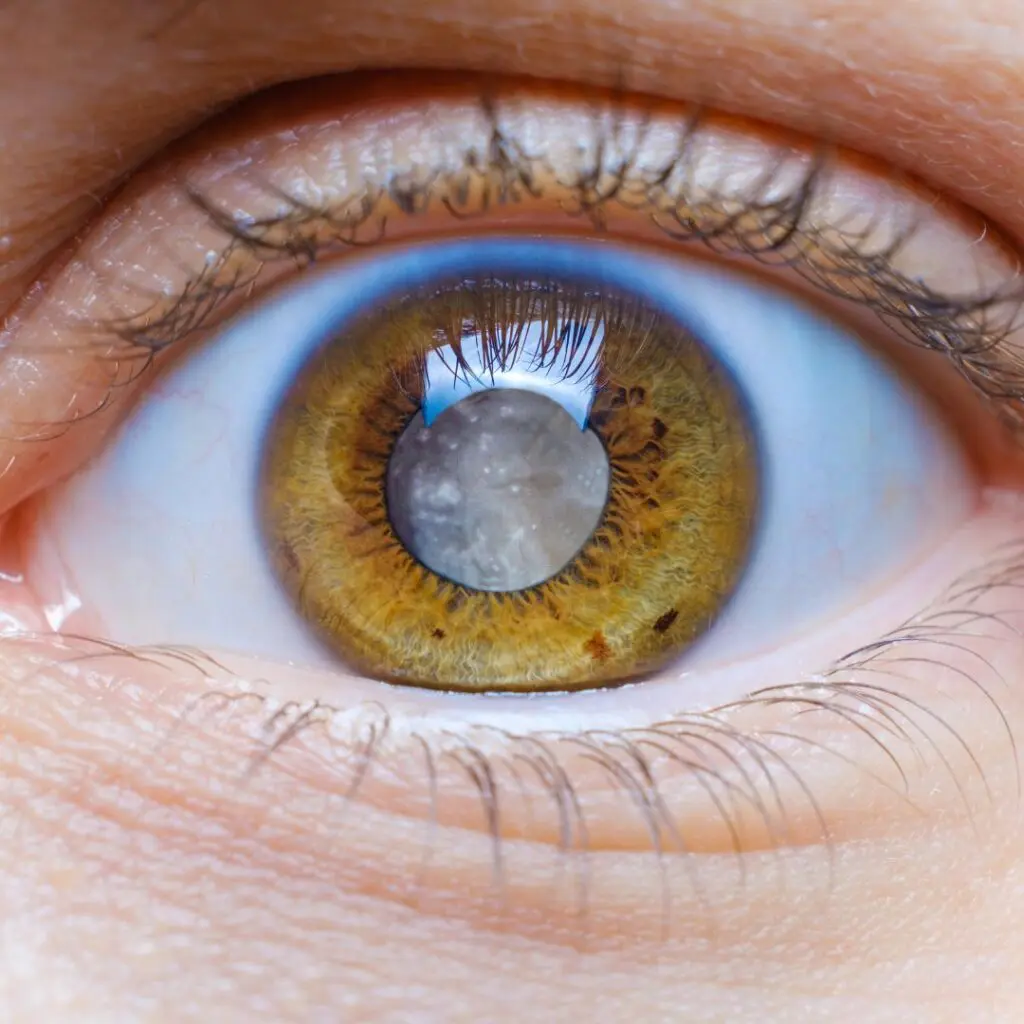
When cataracts began to cloud what little sight remained, Peter’s fear was entirely understandable:
“Unfortunately, in my case with only one functioning eye, the risks involved are all the more severe”
Mr. P. G, Orpington, Kent, Cataract Surgery Patient
But with compassionate care and expert guidance from our team, that fear turned into clarity, confidence, and better-than-20/20 vision.
What is a Cataract?
A cataract is the natural clouding of the eye’s lens, often related to ageing. As the lens becomes less transparent, vision gradually deteriorates. Colours may dull, light may feel glaring, and daily tasks like reading or driving become more difficult.
Cataracts can develop slowly and painlessly, but they won’t improve without treatment.
What Are the Signs You Might Have Cataracts?
You may notice:
- Blurred or cloudy vision
- Difficulty seeing in low light
- Increased sensitivity to light or glare
- Faded colours
- Frequent changes to glasses prescriptions
If you have any of these symptoms, it’s important to get assessed early as soon as you notice, especially if vision is already limited in one or both eyes.
When Cataracts Are More Complex
Most cataract cases are routine, but some patients, much like Peter, require extra care.
A complex cataract may involve:
- Pre-existing eye conditions (like amblyopia or squint surgery)
- Dense, mature or traumatic cataracts
- High refractive errors
- Narrow pupils or weak zonules
- One-eyed patients (where the stakes are even higher)
These cases demand specialist assessment, precision diagnostics, and an experienced surgical team.
Speak to a member of our team at the UK’s Centre for Sight and see how we might be able to help you.