
Frequently Asked Questions About Dry Eye

Learn about the main dry eye causes, symptoms, and treatments from the specialists at Centre for Sight.

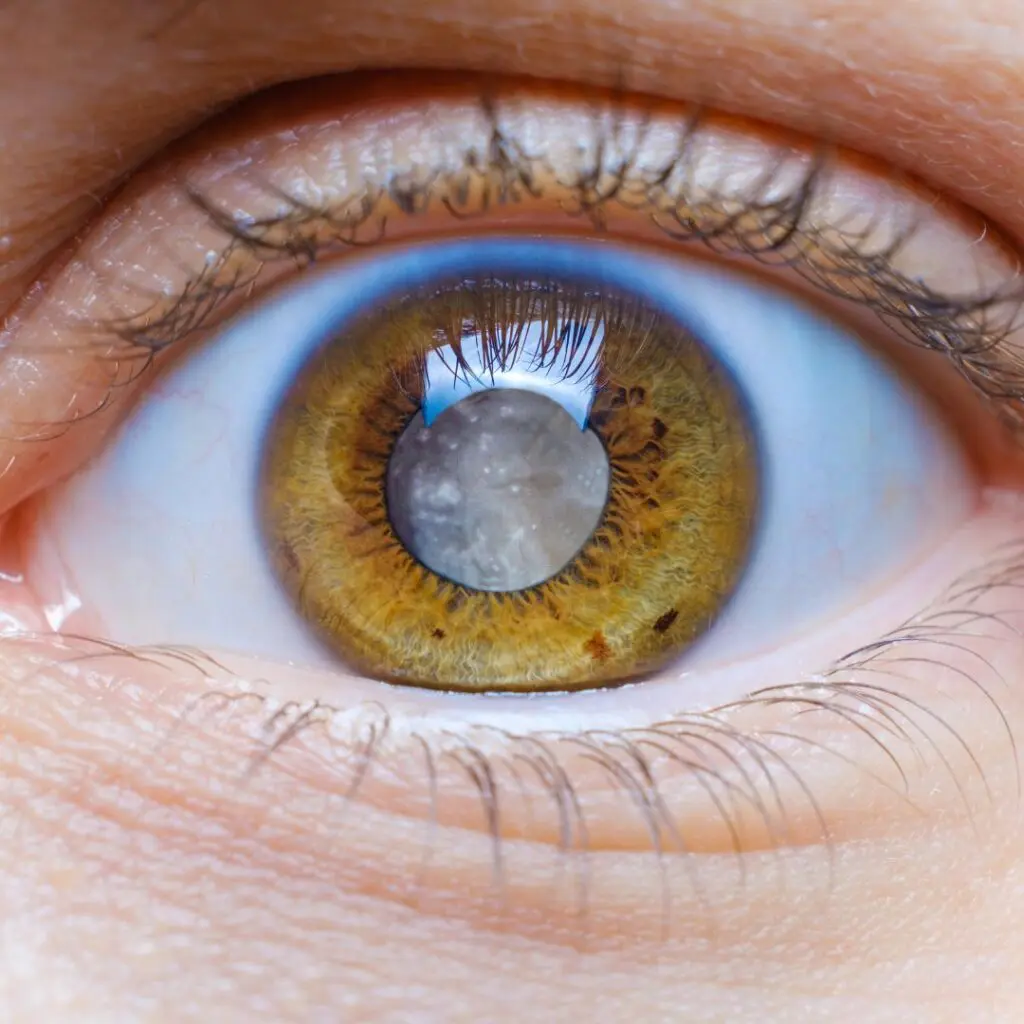
Centre for Sight cataract in eye prior to cataract surgery treatment

Common Questions About Dry Eye

What are the main causes of dry eye?
Dry eye occurs when your eyes either don’t produce enough tears or when tears evaporate too quickly. The main dry eye causes include ageing, hormonal changes (particularly in women), certain medications, and environmental factors such as wind, air conditioning, or low humidity. Prolonged screen time and underlying conditions like rheumatoid arthritis or Sjögren’s syndrome can also contribute.
At Centre for Sight, our consultants use advanced diagnostic techniques to identify the root cause of each patient’s dry eye, allowing for tailored treatment that restores long-term comfort and clarity.
Can dry eye be a symptom of other health issues?
Yes, dry eye can sometimes signal an underlying medical condition. Autoimmune diseases such as Sjögren’s syndrome, thyroid disorders, and diabetes can all affect tear production or tear quality. In some cases, chronic inflammation or systemic medication can play a role.
If you experience persistent dryness, the specialists at Centre for Sight can perform comprehensive assessments to determine whether your symptoms are linked to wider health concerns, ensuring you receive the most appropriate care.


How do lifestyle factors contribute to dry eye?
Lifestyle habits can significantly influence tear stability and overall eye comfort. Spending long hours in front of screens often reduces blink rate, leading to faster tear evaporation. Exposure to smoke, pollution, or air-conditioned environments can further irritate the eyes. Even contact lens wear or inadequate hydration can make symptoms worse.
At Centre for Sight, we take these lifestyle factors into account when developing personalised management plans, helping you find lasting relief through both clinical and practical solutions.
Are there specific medications that can cause dry eye?
Yes. Certain prescription and over-the-counter medications are known to contribute to dry eye causes, including antihistamines, decongestants, some antidepressants, and blood pressure medications. These can interfere with tear production or change the tear film’s composition.
If you suspect your medication may be worsening your symptoms, the team at Centre for Sight can assess your case and, in collaboration with your GP, explore suitable alternatives or compensatory treatments to maintain eye comfort.
Yes. Certain prescription and over-the-counter medications are known to contribute to dry eye causes, including antihistamines, decongestants, some antidepressants, and blood pressure medications. These can interfere with tear production or change the tear film’s composition. If you suspect your medication may be worsening your symptoms, the team at Centre for Sight can assess your case and, in collaboration with your GP, explore suitable alternatives or compensatory treatments to maintain eye comfort.
Dry eye is diagnosed through a detailed consultation and a series of non-invasive clinical tests. During your appointment at Centre for Sight, our ophthalmologists will review your medical and lifestyle history before performing assessments such as the Schirmer test (which measures tear production) and imaging to evaluate tear film stability and gland function.
These precise diagnostic tools help us identify not just the presence of dry eye but also its root causes, ensuring that your treatment is highly targeted and effective.
What are the common symptoms of dry eye?
Symptoms of dry eye vary between individuals but commonly include burning, stinging, or a gritty sensation, redness, blurred vision, and light sensitivity. Some people may notice excessive tearing as the eyes try to compensate for dryness.
At Centre for Sight, our consultants encourage patients not to ignore these early signs. Left untreated, dry eye can lead to chronic irritation and even damage the surface of the eye. Early diagnosis and treatment can prevent long-term discomfort.
What treatments are available for dry eye?
Treatment depends on the underlying dry eye causes and severity of your condition. At Centre for Sight, we offer a wide range of options, from artificial tears and lubricating drops to prescription therapies that stimulate natural tear production. For more advanced cases, procedures such as punctal plugs or in-clinic treatments can help preserve moisture and improve tear quality.
Our specialists design each treatment plan individually, focusing on relieving symptoms and addressing the source of the condition for long-lasting results.
Can lifestyle changes help alleviate dry eye symptoms?
Absolutely. Simple lifestyle changes can significantly reduce discomfort. Staying hydrated, taking regular screen breaks (using the 20-20-20 rule), wearing sunglasses outdoors, and using a humidifier indoors can all help protect the eyes. Avoiding smoke, allergens, and direct airflow can also make a noticeable difference.
At Centre for Sight, we often combine lifestyle advice with clinical treatment to help patients achieve lasting symptom relief and maintain eye health day to day.
Are there any home remedies for dry eye?
Yes, there are several ways to support eye comfort at home. Warm compresses, regular eyelid hygiene, and lubricating drops can ease irritation. Including omega-3 fatty acids in your diet—found in oily fish, chia seeds, and flaxseed—may also help improve tear quality.
However, while these remedies can be effective for mild symptoms, it’s important to consult the specialists at Centre for Sight for a proper diagnosis and tailored treatment plan if symptoms persist.
When should I see an eye doctor for dry eye?
If dry eye symptoms persist or begin to interfere with your daily life, it’s important to seek professional advice. Early intervention can prevent the condition from becoming chronic or damaging the eye surface.
At Centre for Sight, our ophthalmologists can identify the underlying dry eye causes, provide targeted treatments, and help you restore comfort and clear vision with ongoing care and support.