10 Eye Safety Tips to Prepare for Ski Season
Skiing is an exhilarating winter sport, but the combination of altitude, snow, and UV exposure makes protecting your eyes essential.
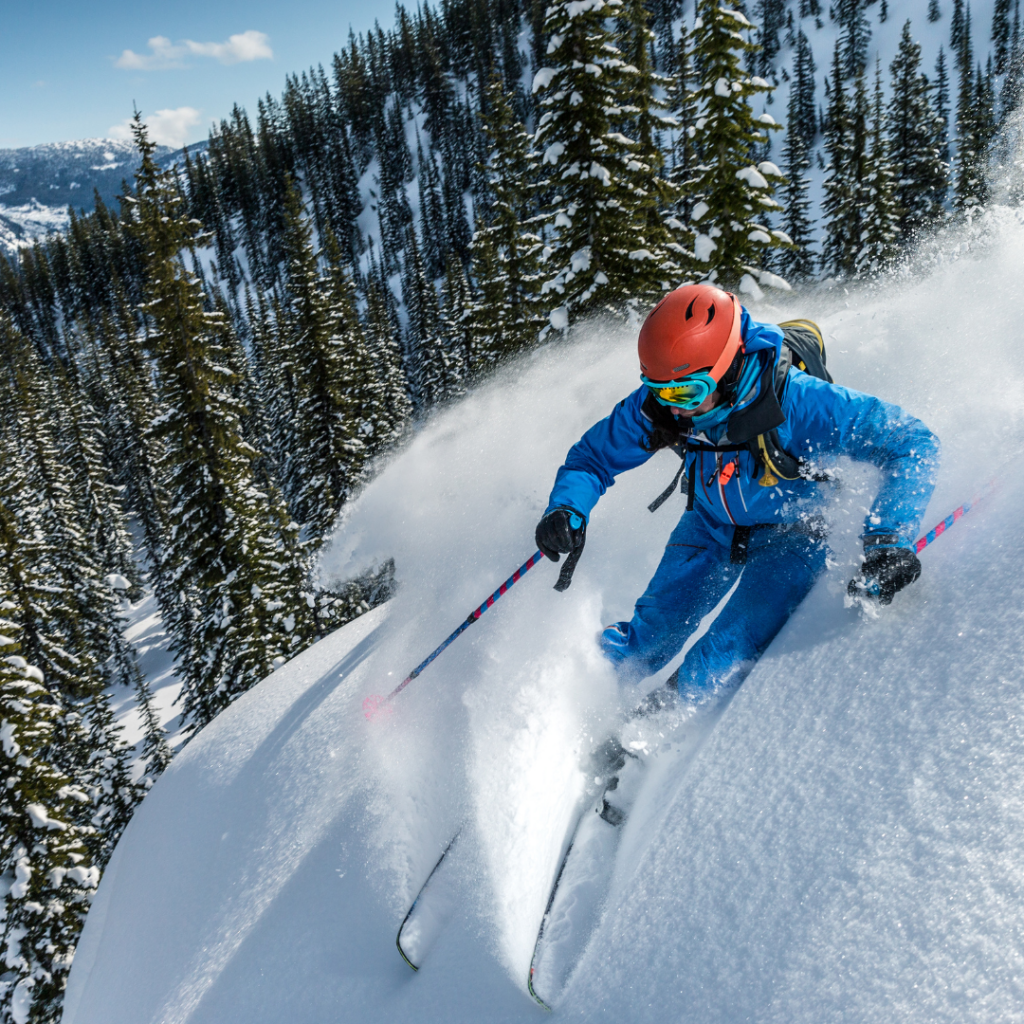
Ski season is an exciting time for winter sports enthusiasts, but the combination of altitude, snow glare and cold weather can place significant strain on your eyes. From intense UV exposure to dry, windy conditions, eye safety is an essential — and often overlooked — part of preparing for ski season.
Whether you’re heading off for a family holiday or planning regular trips to the slopes, these eye safety tips for ski season can help protect your vision and keep you comfortable throughout your time in the mountains.
Here are 10 tips to help prepare for ski season while keeping your vision safe:
1. Invest in High-Quality Ski Goggles
A reliable pair of ski goggles is one of the most important investments you can make for ski season eye safety. Choose goggles that offer 100% UV protection to shield your eyes from harmful ultraviolet rays, which are more intense at higher altitudes.
Polarised or mirrored lenses can significantly reduce glare from snow, while anti-fog coatings help maintain clear vision in fluctuating temperatures.
2. Wear Sunglasses on Sunny Days
On sunny days off the slopes, or during lighter activities such as walking through resorts or après-ski, sunglasses with full UV protection are essential. Snow reflects a large amount of sunlight, meaning your eyes are still exposed even when you are not skiing.
Wraparound sunglasses are particularly effective, as they block light from entering at the sides and reduce overall eye strain.
3. Protect Against Snow Blindness
Snow blindness is a painful condition caused by overexposure to UV light, resulting in temporary damage to the cornea. Because snow can reflect up to 80% of UV rays, the risk increases significantly during ski season.
Wearing UV-blocking goggles or sunglasses at all times outdoors is the most effective way to protect your eyes and prevent this condition.
4. Stay Hydrated
Cold mountain air is often dry, and dehydration can quickly lead to dry, irritated eyes. Staying hydrated helps support tear production and keeps the eyes lubricated, reducing discomfort throughout the day.
Make a habit of drinking water regularly, even if you don’t feel particularly thirsty in colder temperatures.
5. Use Artificial Tears
Wind, cold air and high altitude can all worsen dry eye symptoms during ski season. If you are prone to dryness or irritation, preservative-free artificial tears can offer quick relief.
Using them before heading onto the slopes and again afterwards can help maintain comfort and reduce redness or grittiness.
6. Check Your Vision Prescription
Clear vision is essential for safety on the slopes. If you wear glasses or contact lenses, make sure your prescription is up to date before ski season begins.
Many skiers opt for prescription ski goggles or clip-in inserts, which provide clear vision without the discomfort of wearing glasses under standard goggles.
7. Use a Helmet with a Visor
Helmets with built-in visors offer added eye protection from wind, snow and UV exposure. They can be a practical option for those who want both head and eye protection in one piece of equipment.
A properly fitted helmet also reduces the risk of head injuries, making it an important part of overall ski safety.
8. Apply Sunscreen Around Your Eyes
The delicate skin around the eyes is particularly vulnerable during ski season. High altitude and reflective snow increase the risk of sunburn, even on cloudy days.
Use a gentle sunscreen or SPF stick designed for sensitive areas, applying carefully around the eyes to avoid irritation.
9. Take Regular Breaks
Extended exposure to bright snow, wind and cold can cause eye fatigue. Taking regular breaks indoors allows your eyes to rest and recover, helping to prevent strain and discomfort.
Warming up periodically also supports overall wellbeing and reduces the risk of dehydration.
10. Learn to Spot Eye Injuries
Understanding early warning signs can help prevent long-term damage. Symptoms such as eye pain, redness, blurred vision, excessive tearing or light sensitivity may indicate snow blindness or windburn.
If symptoms persist after rest or worsen, seek medical advice promptly to protect your vision.