What Are the Three Types of Eye Doctors?

This guide explains each profession, their qualifications, services, and how they work together throughout the patient journey. It also offers practical examples of when to see each specialist and what to expect at every stage of care.

Centre for Sight East Grinstead premises
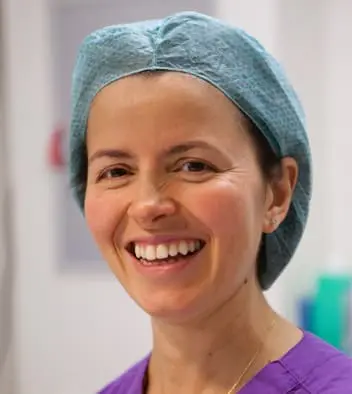
Marcela Espinosa-Lagana surgeon at Centre for Sight
Centre for Sight's Medical Director Sheraz Daya ophthalmologist consultant speaking at the ESCRS for the serenity launch

Understanding Ophthalmologists, Optometrists and Opticians

When it comes to eye care, many people are unsure who to see for different problems — whether for a routine test, new glasses, or sudden vision changes. In the UK, eye care is provided by three main professionals: ophthalmologists, optometrists, and opticians. Each plays a vital role, and understanding how they differ helps you access the right care at the right time (NHS, 2024).

What Is an Ophthalmologist?

An ophthalmologist is a medically qualified eye doctor who specialises in diagnosing, treating, and operating on eye conditions (NHS, 2024). Ophthalmologists manage both medical and surgical eye diseases, ranging from cataract and glaucoma to retinal disorders and eye injuries. Because they are fully trained doctors, they can prescribe medication, perform surgery, and lead multidisciplinary teams in both hospitals and private clinics.
At Centre for Sight, ophthalmologists complete years of intensive training to ensure precision, safety, and exceptional visual outcomes.

Training and Qualifications

Ophthalmologists follow a structured medical pathway:
  1. Medical degree (five to six years)
  2. Foundation training (two years in hospital and community settings)
  3. Specialist ophthalmology training (at least seven years)
  4. Optional fellowship in a subspecialty such as cornea, retina, glaucoma, or oculoplastics
They must be registered with the General Medical Council (GMC) and appear on the Specialist Register in Ophthalmology. Most hold additional qualifications such as FRCOphth (Fellow of the Royal College of Ophthalmologists), which indicates peer-recognised expertise.
You can verify a doctor’s registration and specialist status on the GMC medical register.

Subspecialties and Expertise

Ophthalmologists often pursue further training in specific areas, ensuring advanced care for complex eye conditions:

Subspecialty
Typical Conditions
Typical Treatments
Retina
Retinal detachment, diabetic eye disease, macular degeneration
Vitrectomy, laser treatment, intravitreal injections
Glaucoma
Raised eye pressure, optic nerve damage
Trabeculectomy, drainage implants, laser trabeculoplasty
Cornea
Keratoconus, scarring, infections
Corneal transplant, cross-linking, keratectomy
Oculoplastics
Eyelid or orbital disorders
Eyelid reconstruction, orbital decompression
Paediatrics
Childhood eye disease, squint
Alignment surgery, amblyopia management

Each subspecialty contributes to comprehensive care — from prevention and diagnosis to advanced surgical treatment.

Common Surgeries and Conditions Treated

Ophthalmologists treat sight-threatening conditions including cataract, glaucoma, macular degeneration, diabetic eye disease, and retinal detachment. Typical operations include:
  • Cataract surgery (removing the cloudy lens and inserting an artificial lens)
  • Vitrectomy (treating retinal disease)
  • Laser surgery (for retinal tears or glaucoma)
  • Corneal transplant (for scarring or keratoconus)
They also manage urgent eye injuries, inflammation, and infections. If you experience sudden vision loss, flashing lights, pain, or a dark curtain in your vision, you should seek an ophthalmologist immediately via A&E or NHS 111.

What Is an Optometrist?

An optometrist is a primary eye-care clinician who performs eye tests, diagnoses many common eye conditions, and prescribes glasses or contact lenses (NHS, 2024). They are not medical doctors but are trained to detect diseases early and refer patients to ophthalmologists when needed.
Optometrists are often the first point of contact for most people seeking routine vision care or noticing gradual changes in sight.

Training and Registration

Optometrists complete a BSc (Hons) in Optometry, followed by a supervised pre-registration year and examinations set by the College of Optometrists. They must register with the General Optical Council (GOC) to practise legally in the UK.
Ongoing Continuing Professional Development (CPD) ensures that optometrists stay up-to-date with emerging technology such as optical coherence tomography (OCT), which helps detect diseases like glaucoma and macular degeneration earlier (College of Optometrists, 2024).

Typical Services Provided

An optometrist may monitor a patient with stable ocular hypertension and refer them promptly to an ophthalmologist if eye-pressure changes suggest glaucoma progression.
Optometrists are also central to shared-care cataract pathways, where they support post-operative reviews after uncomplicated surgery, ensuring convenience and continuity of care (RCOphth, 2023).

Conduct full eye examinations to assess vision and screen for disease

Diagnose and manage common issues like dry eye, conjunctivitis, or blepharitis

Prescribe glasses and contact lenses

Monitor chronic eye conditions in shared-care arrangements with ophthalmologists

Refer patients to hospital eye services when advanced treatment or surgery is required

Centre for Sight lady smiling after CAIRS keranatural treatment

What Is an Optician?

An optician (sometimes called a dispensing optician) is a technical specialist who fits and supplies glasses or contact lenses according to prescriptions written by optometrists or ophthalmologists.
Opticians focus on the practical side of vision correction — helping patients choose suitable lenses, ensuring frames fit comfortably, and advising on coatings or materials that best suit their lifestyle.

Training and Certification

Opticians usually complete a Level 6 Diploma in Ophthalmic Dispensing or an FBDO qualification (Fellow of the British Dispensing Opticians). Like optometrists, they must register with the General Optical Council to practise.
Training covers:
  • Taking precise facial and pupillary measurements
  • Lens technology and optical design
  • Adjusting and repairing frames
  • Educating patients on contact lens hygiene and care
Opticians are not trained to diagnose or treat disease but play a crucial role in ensuring prescriptions are translated into effective, comfortable vision correction.

Practical Services

Opticians provide:
  • Spectacle selection, fitting and adjustment
  • Contact lens supply and fitting
  • Advice on coatings, safety lenses, and visual ergonomics
  • Frame repairs and replacements
After surgery, such as cataract or lens replacement, an optician may help fine-tune prescriptions to reflect the patient’s new visual requirements (NHS, 2024).

Key Differences Between Ophthalmologists, Optometrists and Opticians

Professional
Training
Scope of Practice
Typical Services
Ophthalmologist
Medical degree + specialist surgical training
Diagnoses, treats and operates on eye diseases
Surgery, injections, medical management, emergency care
Optometrist
Optometry degree + GOC registration
Primary eye care, screening, prescribing glasses and contacts
Eye exams, disease detection, referrals
Optician
Dispensing optics qualification
Fitting and supplying corrective lenses
Frame selection, lens fitting, adjustments
In summary:
  • Ophthalmologists manage and operate on complex or urgent eye conditions.
  • Optometrists detect and monitor diseases and prescribe visual correction.
  • Opticians provide and fit the optical devices that help you see clearly.

How Eye Care Professionals Work Together

Good eye care depends on collaboration. In the UK, eye doctors communicate and refer seamlessly to ensure patients receive the right treatment at the right time (NHS, 2024).
A typical patient journey may look like this:
  1. Assessment — You see an optometrist for an eye test or new symptoms.
  2. Referral — If disease is suspected, the optometrist refers you to an ophthalmologist.
  3. Treatment — The ophthalmologist provides medical or surgical care.
  4. Follow-up — You return to the optometrist for monitoring and to the optician for updated glasses.
This cycle maintains safe, efficient, and continuous eye care.

Shared-Care Example: Cataract Surgery

A 2021 UK study found that community-based cataract follow-up safely reduced hospital workload while maintaining patient satisfaction and visual outcomes (Community Optometrist-Led Cataract Care, 2021).
This shared-care approach provides faster local access for patients — an example of how integrated care benefits both patients and the NHS.
A middle-aged couple sit closely together on a sofa, smiling softly after penetrating keratoplasty surgery. The man has short dark hair with some grey, while the woman has chin-length grey hair. They look relaxed and content, with his arm around her shoulders.

How to Verify Your Eye Care Professional

Before booking an appointment, you can check credentials easily:

Choosing the Right Eye Specialist for You

When deciding where to seek care, consider:
  • Your symptoms — sudden vs. gradual changes
  • The type of care you need — routine check-up, diagnosis, or surgery
  • Clinic reputation and aftercare — check reviews and published outcomes
  • Accessibility — location, parking, and appointment availability
At Centre for Sight, consultant ophthalmologists and multidisciplinary teams provide comprehensive eye care — from diagnosis and surgical treatment to tailored aftercare — all within a supportive, patient-centred environment.

Disclaimer

This guide is for general educational purposes only and does not replace professional medical advice. Always consult a qualified ophthalmologist or optometrist for personalised assessment and treatment recommendations. If you experience sudden vision loss, flashes of light, or severe eye pain, seek urgent medical attention via NHS 111 or an Accident & Emergency department (NHS, 2024).

Attribution

This article was prepared using current guidance from the National Health Service (NHS, 2024), the Royal College of Ophthalmologists (RCOphth, 2024), the General Medical Council (GMC, 2024), the National Institute for Health and Care Excellence (NICE, 2024), and the Private Healthcare Information Network (PHIN, 2023). It is intended as an educational resource for patients exploring their eye care options across the UK.

Disclaimer

This article is for general educational purposes only and should not replace personal medical advice. Always consult a qualified ophthalmologist or optometrist for individual assessment and treatment recommendations. For urgent symptoms such as sudden vision loss, flashing lights or severe eye pain, contact NHS 111 or attend your nearest A&E department immediately.

Attribution

Written for Centre for Sight using information from the NHS, Royal College of Ophthalmologists, College of Optometrists, General Optical Council, British Dispensing Opticians, and General Medical Council. This article is intended as an educational resource to help patients understand the UK’s eye-care system and choose the right professional for their needs.