Restore Clear Vision with Advanced Laser Cataract Surgery

Wave goodbye to cloudy, fogged vision. At Centre for Sight we provide safe, precise, and personalised laser-enhanced cataract surgery so you see life in full clarity again.
An older couple, smiling at each other after laser cataract surgery, enjoy a walk outside. The woman wears a tan jacket and orange shirt, while the man sports a blue checked shirt. Trees and outdoor seating are in the background.

At a Glance

  • Treatments offered: Laser Cataract Surgery (femtosecond & premium lens technology)
  • Finance: Transparent pricing; flexible payment plans up to 24 months interest-free
  • Locations: London, Sussex, Surrey.   
  • Why Choose: Surgeons from around the world visit Centre for Sight to learn about our innovative techniques in laser cataract surgery. As global pioneers in femtosecond laser cataract surgery, we are the UK’s most experienced clinic using this advanced technique.
Two older women smiling and embracing outdoors, each holding a glass of red wine, enjoying life after laser cataract surgery, with greenery and a building in the background.

What is Laser Cataract Surgery?

Cataract surgery removes the eye’s cloudy natural lens and replaces it with a clear artificial intraocular lens (IOL), restoring sharp, bright vision. Laser-assisted cataract surgery uses advanced femtosecond laser technology to perform key steps of the procedure — including creating the lens opening (capsulotomy), fragmenting the cataract, and correcting astigmatism — with exceptional precision and safety.

At Centre for Sight, this technology helps deliver more consistent outcomes, faster healing, and the option of premium lenses designed to reduce dependence on glasses.

Types of Cataract:

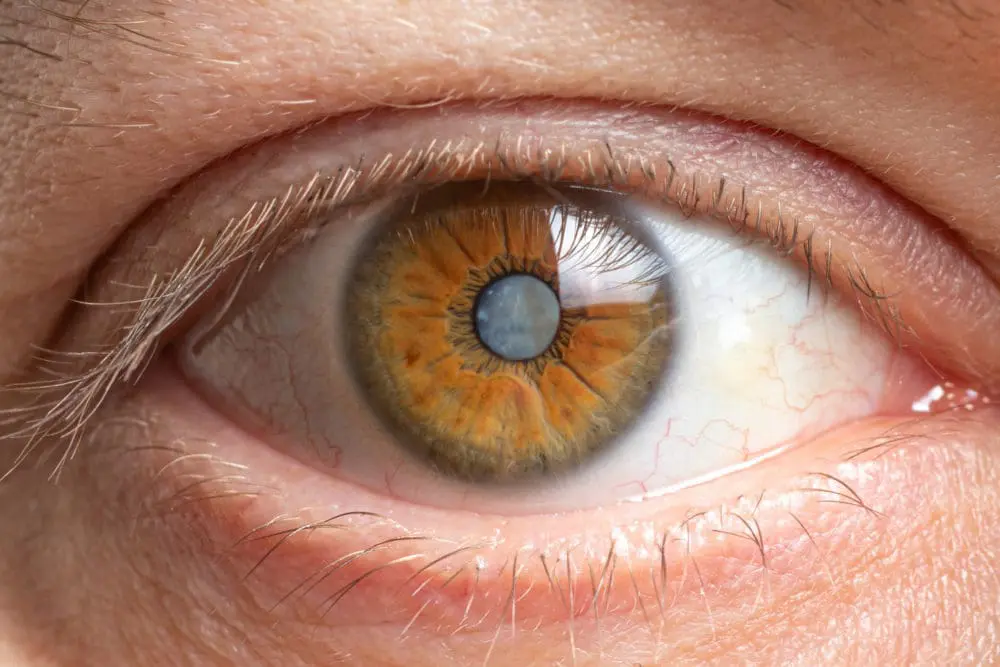
Cataracts develop when the natural lens of the eye becomes cloudy, but not all cataracts are the same.

  • Nuclear cataract: Develops in the centre of the lens and is the most common type, often causing gradual blurring and yellowing of vision.
  • Cortical cataract: Forms around the edges of the lens and can cause glare and light sensitivity, especially at night.
  • Posterior subcapsular cataract: Forms at the back of the lens, often leading to problems with reading and bright-light glare.

Laser cataract surgery can effectively treat all these types, helping restore clarity regardless of where the opacity develops.

Read More

Types of Cataract Surgery & Lens Options

Standard Cataract Surgery + Monofocal Lens

The tried & tested procedure to restore clear distance vision, often used when patients are comfortable wearing glasses for near tasks.

Laser-Assisted Cataract Surgery + Premium Lens (Multifocal/Trifocal/Toric)

Uses femtosecond laser for enhanced precision and offers advanced lens implants to reduce dependence on glasses for near, intermediate and distance vision.

Laser Surgery + Toric Lens

Combines laser cataract surgery with toric IOLs designed to correct astigmatism at the same time as removing the cataract.

Comparing Cataract Procedures & Lenses

Please note that your consultant will recommend the most suitable treatment option (surgical method + lens choice) tailored to your eye health, vision goals and lifestyle.

Procedure How it worksBest for Pros Cons
Standard Cataract + Monofocal LensTraditional phacoemulsification (or laser‐enabled) with single-focus IOLPatients comfortable with glasses for near tasksProven, cost-effectiveGlasses still needed for reading/near vision
Laser-Assisted Cataract + Premium LensFemtosecond laser for capsulotomy/fragmentation + premium multifocus IOLPatients seeking reduced glasses dependenceHigh precision, enhanced near/intermediate visionHigher cost; suitability for premium lens required
Laser-Assisted Cataract + Toric LensLaser surgery + toric IOL to correct astigmatism and cataract simultaneouslyPatients with astigmatismCombines cataract removal with astigmatism correctionHigher cost; premium lens suitability criteria apply

Am I suitable for Laser Cataract Surgery?

If your vision is affected by cloudy lenses (cataracts) causing blur, glare, colour fade or poor night vision, you may be a candidate. At Centre for Sight suitability is assessed based on:

  • Confirmed cataract diagnosis and impact on everyday vision
  • Good overall eye health: retina and cornea in good condition for optimal outcomes
  • Realistic expectations and suitable lens choice (monofocal vs premium)

Some factors may reduce suitability or affect lens choices: prior refractive surgery, advanced retina disease, certain corneal conditions. A full consultant assessment will determine your personalised plan.

An older woman with grey hair, who recently benefited from laser cataract surgery, practises a yoga warrior pose on a mat in a bright, modern living room with large windows, white brick walls, and indoor plants.

What are the benefits and risks of Laser Cataract Surgery?

Your surgeon will speak with you about the benefits and risks involved before your procedure.

Benefits (vary by procedure):Risks/side effects (not exhaustive):
Significantly improved clarity of vision, often next-day improvementTemporary mild discomfort, glare or halos as the eye adjusts
Reduced dependence on glasses or contact lenses (especially with premium IOLs)Rare complications such as infection or posterior capsule opacification (which may require laser treatment)
Premium technology for enhanced precision and safetyPremium lenses may not suit everyone and suitability will be discussed in your consultation

Patient Journey

Enquiry

Fill out our online form or call our team. Our enquiry staff will guide you through your first steps towards clearer vision.

Diagnostics

A full assessment of your eye health (cornea, retina, lens clouding, tear film) ensures the best treatment plan.

Consultation

You will meet your consultant ophthalmic surgeon to review your test results, discuss lenses, explain surgery, benefits and risks before deciding.

Treatment

Once you have selected your approach and confirmed suitability, surgery is scheduled at our dedicated eye-care hospital.

Aftercare

Follow-ups, 24-hour helpline and structured support are included for one year, ensuring your vision outcome and recovery are closely monitored.

Aftercare instructions. 

An older couple smiles whilst sitting together at a table, looking at a laptop screen. The woman, newly confident after laser cataract surgery, types on the keyboard as the man leans in, both appearing happy and engaged.

Costs and Finance Options

Transparent, Fixed Prices (no hidden extras):

  • Consultation: £445 — includes a comprehensive diagnostic assessment and consultation with your consultant ophthalmic surgeon. (This fee is not a deposit and is non-deductible from the surgery cost.)
  • Laser Cataract Surgery (per eye): From £3,497 to £4,988 — includes the procedure, advanced laser technology, premium intraocular lens (IOL) options, 24-hour support, and one year of structured aftercare.

(Laser precision using femtosecond technology is included as standard — no additional charge.)

0% Finance examples (illustrative):

  • £3,497 per eye over 24 months (0% APR): ~£145.71/month
  • £4,988 per eye over 24 months (0% APR): ~£207.83/month

(Subject to status; finance via partner provider; terms apply.)

FAQs

How long does cataract surgery take?

The surgery is usually completed in about 15-30 minutes per eye; you may go home the same day.

When will I have better vision after surgery?

Many patients notice clear vision as soon as the next day, with gradual stabilisation over the following weeks.

Will I still need glasses after surgery?

This depends on the lens chosen. With premium multifocal/trifocal or toric lenses you may greatly reduce your reliance on glasses; with monofocal lenses you may still need reading glasses.

Are there 0% finance options?

Yes, we offer interest-free credit plans up to 24 months via our partner finance provider (subject to status).

Why choose Centre for Sight for cataract surgery?

Our consultants are experienced ophthalmic surgeons; we use the latest laser technology; and we deliver premium lens options and dedicated aftercare for the best visual outcomes.