
- Finance: Transparent pricing with full aftercare and flexible payment options
- Locations: London, Sussex, Surrey.
- Why Choose: UK pioneers in laser vision correction and consultant-led surgery using advanced femtosecond laser platforms.
- Key Benefits
- Flap-free laser procedure: No corneal flap is created, preserving corneal strength
- Minimally invasive: Small keyhole incision with reduced disruption to the corneal surface
- High precision: Uses femtosecond laser technology for accurate, reproducible outcomes
- Lower dry-eye risk: Preserves more corneal nerves compared with flap-based surgery
- Rapid recovery: Most patients return to normal activities within days
- Long-term stability: Excellent outcomes for suitable short-sight and astigmatism corrections
Advanced Femtosecond Laser Lenticular Extraction (LEX)
Laser Lenticular Extraction (LEX) is a minimally invasive laser eye surgery designed to correct short-sight and astigmatism with precision, comfort, and long-term visual stability.

At a Glance

What is LEX?
Femtosecond Laser Lenticular Extraction (LEX) is a modern laser eye surgery that corrects vision by removing a precisely shaped piece of tissue (called a lenticule) from within the cornea. Using a femtosecond laser, the lenticule is created entirely inside the cornea and removed through a very small incision.
By altering the shape of the cornea from within, LEX allows light to focus correctly on the retina, improving vision without the need for glasses or contact lenses. Unlike LASIK, LEX does not require a corneal flap, making it an attractive option for patients seeking a minimally invasive approach to vision correction.
Types of Laser Eye Surgery
LASIK (Laser-Assisted In-Situ Keratomileusis)
LASIK is the most commonly performed type of laser eye surgery. It uses two advanced lasers, one to create a precise, ultra-thin layer on the surface of the cornea, and another to gently reshape the tissue underneath to correct vision. The treatment is quick, comfortable, and highly accurate, with most patients experiencing clear vision within 24 hours.
LASEK / PRK (Surface Laser Treatment)
LASEK and PRK are surface laser techniques where the outer layer of the cornea is carefully moved aside so the laser can reshape the surface underneath. These methods are often recommended for people with thinner or irregular corneas, or for those involved in contact sports or high-impact activities. Recovery takes a little longer than LASIK, but visual results are equally good once the eye has healed.
Supracor LASIK (for Reading Vision / Presbyopia)
Supracor LASIK is a customised laser treatment designed to correct both distance and near vision, reducing the need for reading glasses. It reshapes the cornea with a unique profile that provides a wider range of focus. This option is often ideal for people aged 40 and above who want greater visual freedom without relying on bifocals or varifocals.
LEX:
A flap-free, keyhole laser procedure reshaping the cornea from within, ideal for suitable myopic patients or those with an astigmatism.
Who is Suitable for LEX?
LEX may be suitable if you:
• Are short-sighted (myopic), with or without astigmatism
• Have healthy eyes and stable vision
• Prefer a flap-free laser eye surgery option
• Have corneal measurements suitable for lenticule extraction
• Lead an active lifestyle or work in environments where flap-based surgery may be less ideal
Suitability is confirmed through comprehensive diagnostic testing, including corneal imaging and ocular health assessment. Your consultant will recommend LEX only if it is the safest and most effective option for your eyes.

What Are the Benefits and Risks of LEX?
Your surgeon will speak with you about the benefits and risks involved before your procedure.
| Benefits (vary by procedure): | Risks/side effects (not exhaustive): |
|---|---|
| Flap-free, minimally invasive laser correction | Temporary dryness or visual fluctuations during healing |
| Preserves corneal biomechanics | Not suitable for all prescriptions or eye shapes |
| Reduced dry-eye symptoms in suitable patients | Enhancements, while uncommon, may occasionally be required |
| Quick return to daily activities | |
| Excellent visual outcomes for myopia and astigmatism |
Patient Journey
Enquiry
Start by filling in our online form or contacting our friendly enquiry team. We’ll answer your initial questions and guide you through the first steps toward clearer vision.
Diagnostics
Before any treatment is planned, we carry out a comprehensive series of diagnostic tests using up to 16 of our machines. These detailed scans measure your prescription, corneal thickness and shape, tear film, and overall eye health, ensuring the most accurate and personalised treatment plan.
Consultation
Treatment
Your LEX procedure is quick and comfortable, typically taking only a few minutes per eye. Using advanced femtosecond laser technology, your surgeon reshapes the cornea to correct your vision with exceptional accuracy. Most patients notice clearer vision within 24 hours.
Aftercare
Following surgery, you will have access to a 24-hour helpline and structured follow-up appointments included for one year. Our dedicated team monitors your healing and visual outcome closely, ensuring you achieve the best possible results.

Costs and Finance Options
Transparent, Fixed Prices (no hidden extras):
- Consultation: £500* — deducted from the cost of surgery if you proceed. Refunded in full if unsuitable (50% refund if suitable but not proceeding).
- LEX Laser Eye Surgery includes the procedure, surgeon fees, advanced laser technology, 24-hour support, and one year of structured aftercare.
(Performed using the latest femtosecond laser technology for the highest level of precision and comfort).
FAQs
How is LEX different from LASIK?
LEX does not involve creating a corneal flap and reshapes the eye from within the cornea.
Is LEX painful?
The procedure is comfortable and performed with numbing eye drops.
How long does recovery take?
Most patients notice improved vision within days, with ongoing refinement over weeks.
Will I still need glasses after LEX?
Many patients achieve excellent distance vision; outcomes depend on individual prescription.
Why choose Centre for Sight for LEX?
Centre for Sight combines consultant-led care, advanced laser technology, and decades of refractive expertise.
Our Consultants
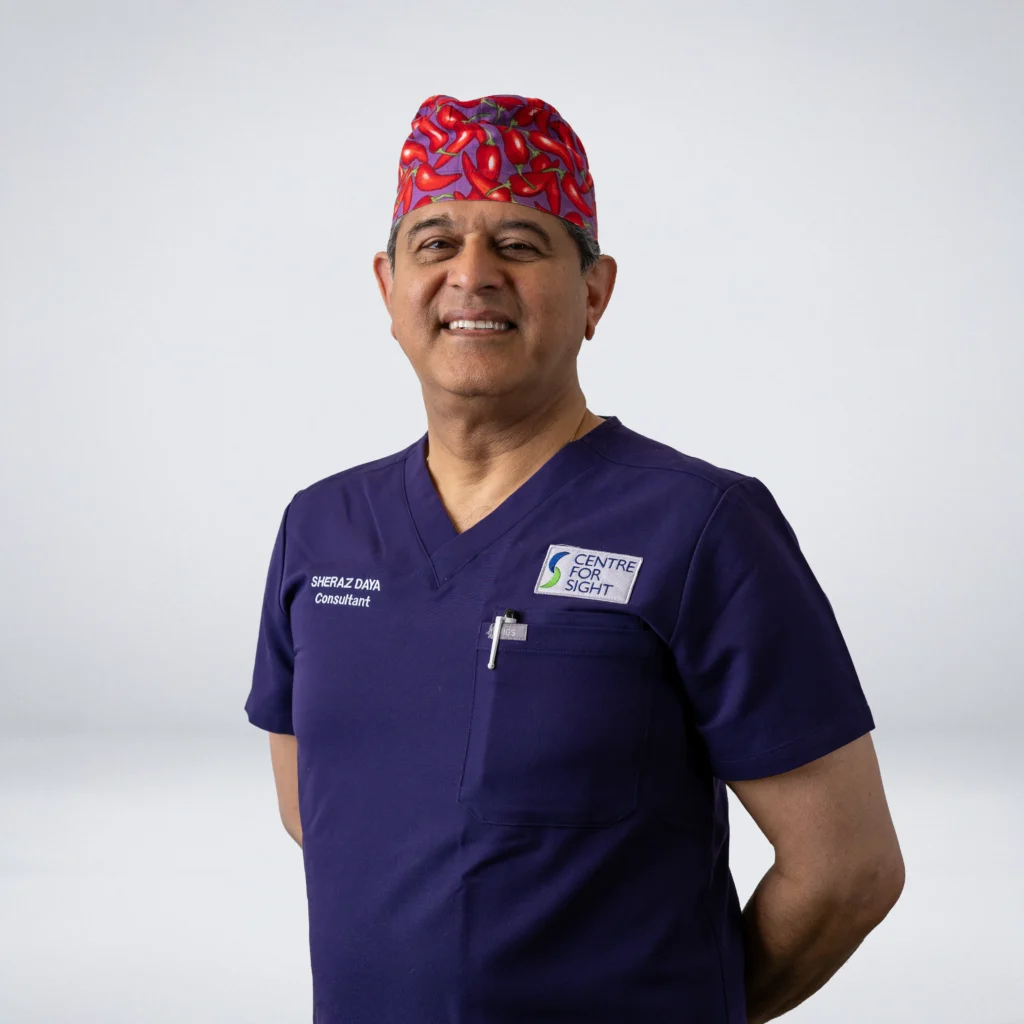
Sheraz M. Daya
Cornea, Cataract, Anterior Segment and Keratorefractive surgery
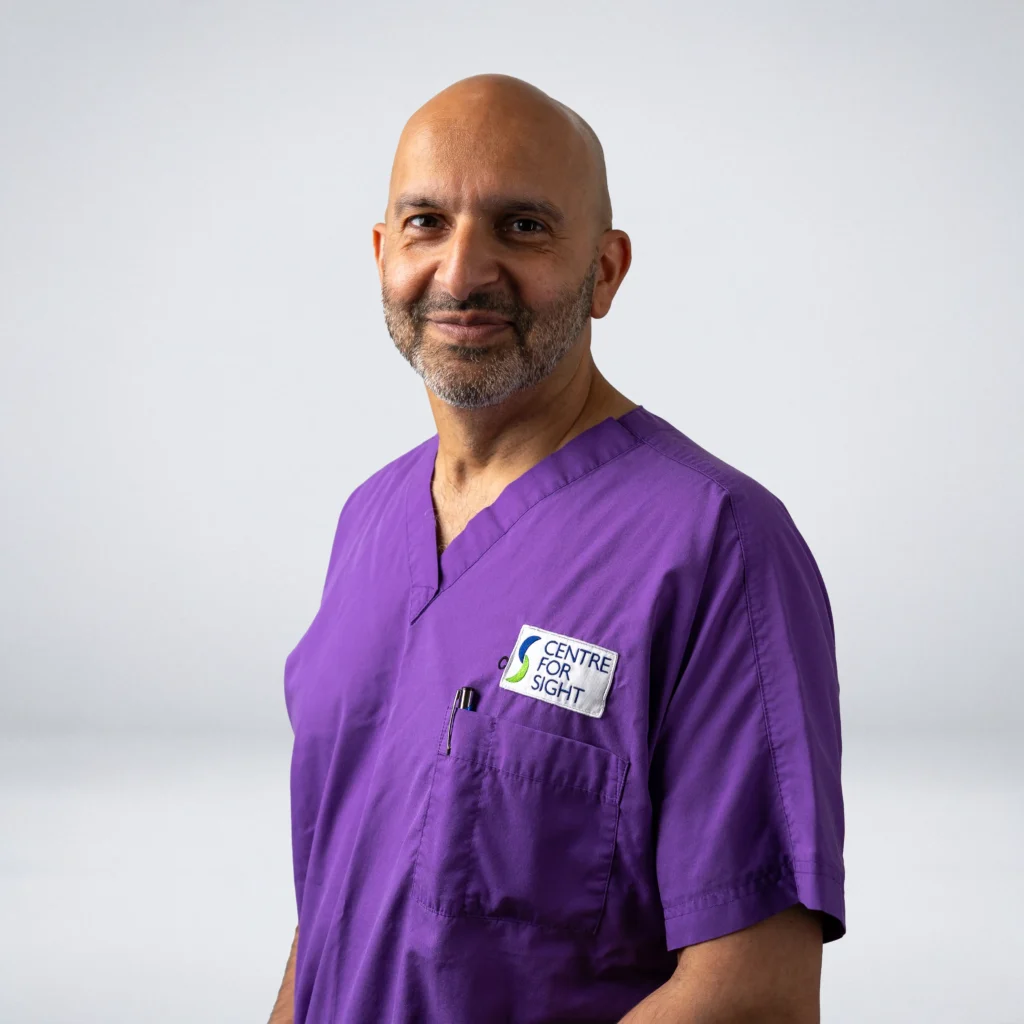
Saj H Khan
Cornea, cataract, refractive lens replacement, keratorefractive surgery, implantable contact lenses (ICL), and advanced dry eye treatments.

Marcela Espinosa-Lagana
Cornea, Cataract, Keratorefractive Surgery and Paediatric Ophthalmology
Related Blog Posts

What results can I expect from laser eye surgery?
To understand what is meant by laser eye surgery results, it is best to break these down into various components.

Laser Eye Surgery Recovery: Timeline, Tips & FAQs
Laser eye surgery offers the freedom of clear vision without glasses or contact lenses, but understanding the recovery process is...

Does Laser Eye Surgery Hurt?
One of the most common questions patients ask before undergoing vision correction is: “Does laser eye surgery hurt?”
How to Safely Remove and Apply Makeup After Laser Eye Surgery
One of the most common questions we receive from patients is: “When can I wear makeup after laser eye surgery?”
What Does Laser Eye Surgery Do and Is It Right for Me?
At Centre for Sight, our consultant-led approach means patients benefit from exceptional care, bespoke treatment plans, and access to some...

Can I Check My Vision at Home?
If you have noticed changes in your eyesight or just want to stay on top of your eye health, there...

Can I Get Laser Eye Surgery with Astigmatism?
Curious if you can get laser eye surgery with astigmatism? Discover how LASIK and TransPRK at Centre for Sight UK...

What Are the Benefits of Laser Eye Surgery?
Laser eye surgery has changed vision correction. It is a life-changing alternative to glasses and contact lenses providing people with...

Who is NOT suitable for laser eye surgery?
Laser eye surgery in its different forms – LASIK, PRK, Transepi PRK, LASEK, SMILE, Lenticular Extraction (LEX) has transformed the...