Worried about the festive season because of bright lights?
Light sensitivity—also known as photophobia—is a common symptom that can stem from a variety of causes. While it’s often temporary, persistent discomfort when exposed to bright lights can indicate an underlying eye condition that may need professional attention.
At Centre for Sight, we see many patients who describe symptoms such as haloes, glare, or general sensitivity to light. This blog explores why bright lights might hurt your eyes, what it could mean, and when it’s time to book an eye examination.
Why do bright lights hurt my eyes?
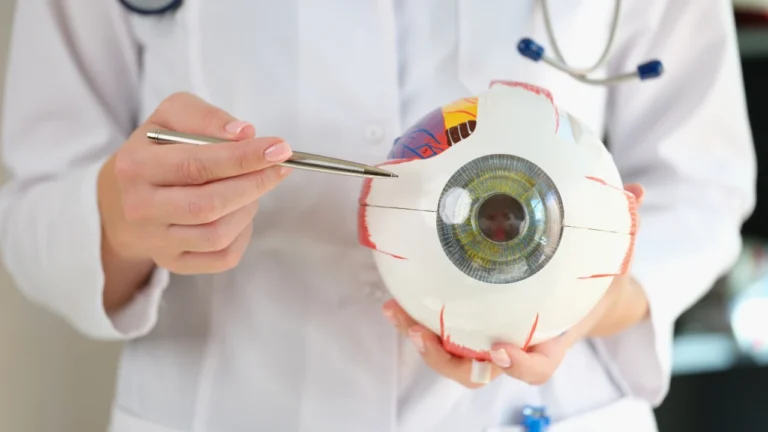
Sensitivity to bright lights occurs when the eyes react more strongly than usual to natural or artificial light sources. This happens because the cornea, lens, retina, or optic nerve—each responsible for processing light—may be overstimulated or affected by irritation or imbalance.
Common causes include:
- Dry eyes – A lack of sufficient tear film can make the surface of the eye more exposed and sensitive to light.
- Eye strain – Extended screen time or poor lighting can fatigue the eyes, increasing light sensitivity.
- Corneal irritation – Conditions like infections or recent surgery (including laser eye surgery) can temporarily heighten sensitivity.
- Migraine – Bright light is a well-known migraine trigger and symptom.
- Eye conditions – Cataracts, glaucoma, or other issues affecting the cornea or retina can cause glare and haloes around lights.
When should I worry about light sensitivity?
Understanding haloes and glares around lights
- Cataracts – Clouding of the lens causes light to scatter, creating haloes.
- Dry eye syndrome – Irregular tear film can distort light entering the eye.
- Refractive changes – Even minor prescriptions or corneal irregularities can cause glares at night.
- Post-surgery recovery – After procedures like LASIK or SMILE, some patients experience temporary haloes as the cornea heals.
Managing discomfort from bright lights
- Wear sunglasses outdoors, even in winter, to filter UV light.
- Use anti-reflective lenses if you wear glasses to reduce glare from screens or headlights.
- Take regular screen breaks following the 20-20-20 rule (every 20 minutes, look at something 20 feet away for 20 seconds).
- Keep your eyes lubricated with preservative-free artificial tears if you suffer from dryness.
- Adjust lighting at home and work to ensure it’s soft, diffused, and not overly harsh.