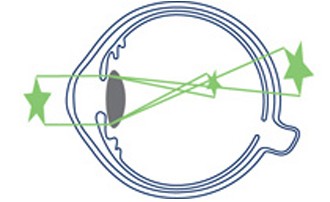
Astigmatism

Astigmatism contributes to blurry vision and is often found in combination with short-sightedness and long-sightedness. Blurred vision occurs because of an irregularly shaped cornea or lens. Vision problems can then lead to other troublesome and painful symptoms like headaches and eye strain.

FDA Approved

Advanced Technology

Why It Matters

Astigmatism is one of the most common vision conditions and affects people of all ages. Because the cornea is not perfectly round, light entering the eye does not focus evenly on the retina. This causes blurred or distorted vision that may worsen without appropriate correction.

~ 0 M

People affected globally

PMC

~ 0 %

Hereditary risk

~ 0 %

Have meassurable astigmatism

EMR

~55%

Experience measurable changes

Review of Optometry

What is Astigmatism?

Astigmatism is a common refractive error that affects how light focuses in the eye. It occurs when the cornea (the clear front surface of the eye) or the lens inside the eye is irregularly shaped, rather than perfectly round. Because of this uneven curvature, light entering the eye does not focus evenly on the retina, resulting in blurred or distorted vision.

People with astigmatism may notice that objects appear stretched, shadowed or out of focus at both near and far distances. The condition often occurs alongside other refractive errors such as short-sightedness (myopia) or long-sightedness (hyperopia).

Astigmatism is very common and can be present from birth, although it may also develop or change over time as the eye grows. In many cases the condition is mild, but higher levels of astigmatism can cause symptoms such as headaches, eye strain and difficulty focusing, particularly when reading or using screens.

Most cases of astigmatism can be effectively corrected with glasses, contact lenses or refractive surgery, helping restore clear and comfortable vision.

What are the Symptoms of Astigmatism?

Frame 35 2

Astigmatism symptoms are often gradual and may be mistaken for general tiredness or the need for a new glasses prescription. Because astigmatism commonly occurs alongside short-sightedness or long-sightedness, a full eye examination is the best way to confirm the cause of symptoms and identify the most suitable treatment.

Our Centres

Frame 35 3

Blurred or distorted vision

Vision may be unclear at both near and far distances because light is not focusing evenly on the retina.

Eye strain

The eyes may feel tired or uncomfortable, especially after reading, screen use or other close work.

Headaches

Ongoing effort to focus can lead to headaches, particularly around the eyes or forehead.

Difficulty seeing clearly at night

Glare, halos or streaking around lights can make night driving more difficult.

Squinting

Some people squint to try to improve focus or reduce blur.

Difficulty with fine detail

Reading small print or concentrating on detailed tasks may become harder.

What causes Astigmatism?

Astigmatism occurs when the cornea or the lens inside the eye has an uneven curvature, meaning it is not perfectly round. Instead of being shaped like a smooth sphere, the eye may be shaped more like a rugby ball. This irregular shape prevents light from focusing evenly on the retina, which leads to blurred or distorted vision.

In many cases, astigmatism is present from birth and develops naturally as the eye grows. The exact reason for the irregular curvature is not always known, but it is often linked to genetic factors, which means the condition can run in families.

Astigmatism can also develop or change later in life due to factors that affect the structure of the cornea. These may include eye injury, corneal scarring, certain eye conditions such as keratoconus, or changes that occur with age. In some cases, astigmatism may appear after eye surgery or as the natural lens inside the eye changes shape over time.

Because astigmatism relates to the physical shape of the eye, it cannot usually be prevented. However, it can be effectively corrected once diagnosed, helping to restore clear and comfortable vision.

Options for Correction of Astigmatism

Sometimes, mild astigmatism doesn’t need to be treated. In other cases, symptoms can be managed long-term with glasses. However, there are also options available for more permanent relief of symptoms. Correcting the refractive error often means no longer relying on glasses or contact lenses. This can be achieved through vision correction treatments, including the following:

icons ui 15

Laser Eye Surgery

Lasik Laser eye surgery is a common and popular vision correction procedure which corrects refractive errors including short-sightedness, far-sightedness, astigmatism and presbyopia.

icons ui 15

Implantable Contact Lenses

Implantable Collamer Lenses (ICL), the EVO Visian ICL are micro-thin lenses placed inside the eye to correct short-sightedness (myopia), far-sightedness (hyperopia) and astigmatism.

icons ui 15

Lens Replacement Surgery

Lens Replacement Surgery is another vision correction option. The procedure involves replacing the natural lens inside the eye with a high-performance lens implant.

Diagnosis & Assessment

Astigmatism is usually diagnosed during a comprehensive eye examination. Because the condition affects how light focuses on the retina, assessment focuses on measuring visual clarity and evaluating the shape and curvature of the cornea. Identifying the degree of astigmatism allows specialists to determine the most appropriate correction or treatment.

1

How We Assess Your Vision

Your assessment is carried out by a specialist ophthalmologist who will examine both the health of your eyes and your visual function. The aim is to measure how light focuses in the eye and determine whether an irregular corneal shape is affecting vision.

Duration: 60–90 Minutes

What to Expect

Detailed symptom and medical history

Comprehensive vision and refraction test

Slit-lamp examination of the front of the eye

Assessment of corneal shape and curvature

2

Tests and Scans You May Have

Additional diagnostic tests may be used to measure the exact shape of the cornea and determine the severity of astigmatism.

Duration: 60–90 Minutes

What to Expect

Corneal topography (detailed corneal shape mapping)

Keratometry to measure corneal curvature

Visual acuity testing

Eye pressure measurement if required

3

What Happens at Your First Appointment

Following your examination and any necessary scans, your consultant will explain the results and discuss suitable options to correct your vision.

Duration: 60–90 Minutes

What to Expect

Clear explanation of your diagnosis

Measurement of the degree of astigmatism

Discussion of treatment or correction options

Personalised follow-up plan if needed

Our Consultants

Meet our team of expert and world-renowned Consultant Ophthalmic Surgeons

Why Choose Centre for Sight

Centre for Sight is one of the UK’s most established and pioneering eye care providers, with over 30 years of experience and multiple national firsts. We were the first clinic in the UK to perform LASIK, and among the earliest to introduce femtosecond laser technology for both laser eye surgery and cataract procedures. Our consultants have collectively performed over 35,000 cataract surgeries, delivering exceptional outcomes backed by audited results and world-class surgical expertise. Patients benefit from fully consultant-led care, advanced diagnostic technology, and personalised treatment planning all supported by our reputation as a trusted centre where ophthalmologists from around the world come to observe and train. At Centre for Sight, innovation, safety, and excellence are built into every step of your journey.

Patient Success Stories

Our Centres

London Centre

Suite 2, 14 Queen Anne Street, London W1G 8HZ

photophobia

Centre for Sight London, located at 14 Queen Anne St, Suite 2, in the prestigious Harley Street area, offers consultations, follow-up care, and YAG laser procedures.

Google map

london

Sussex Centre

Hazelden Place, Turners Hill Road, East Grinstead, West Sussex, RH19 4RH

centre for sight sussex quote.jpg

Arguably the most modern private eye hospital in the UK, our hospital in Sussex offers Laser Vision Correction, Corneal Transplants, Stem Cell Surgery and more.

Google map

hero supporting image sussex centre e1735845284328.jpg

Surrey Centre

48 High Street, Oxshott, Surrey, KT22 0JR

Laser Eye Surgery Experts 1536x1536.jpg

Centre for Sight London, located at 14 Queen Anne St, Suite 2, in the prestigious Harley Street area, offers consultations, follow-up care, and YAG laser procedures.

Google map

centre for sight surrey

Latest News

Explore our most recent updates, expert insights and news from across our clinics.

FAQs

Below are answers to common questions about astigmatism, including how it affects vision, how it develops, and what treatments are available.

Astigmatism is usually not serious, but it can affect the clarity of your vision if left uncorrected. Most cases are mild and can be effectively managed with glasses, contact lenses or refractive surgery.

Astigmatism can change gradually as the eye grows or ages. In many people it remains stable, but regular eye examinations are important to ensure prescriptions remain accurate.

Yes, astigmatism is a common eye problem. It’s estimated that 800,000people across the UK experience some sort of symptoms of the condition, which is about 50%of people who wear glasses. 

Yes. When vision is not properly corrected, the eyes may work harder to focus. This can lead to eye strain and headaches, particularly during reading, screen use or other detailed tasks.

Many people are born with astigmatism, although it may not be noticeable until later in childhood or adulthood. It can also develop later in life due to natural changes in the eye.

Have Questions?

Our patient care team is here to answer any questions you may have.