
Cataract
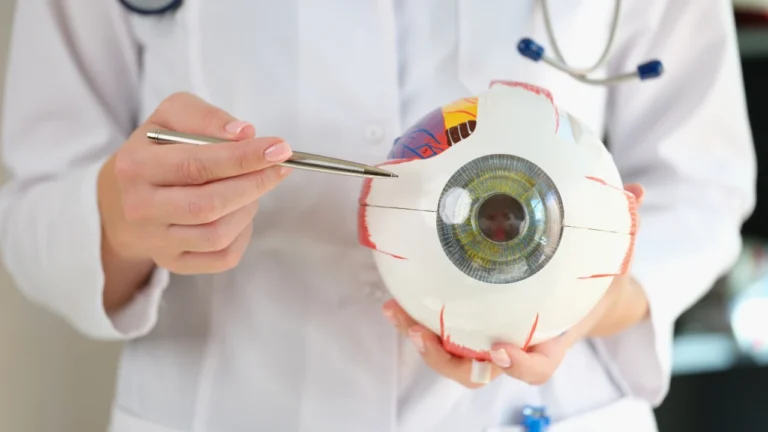
A cataract is a loss of transparency or clouding of the normally clear lens of the eye. This lens is a part of the eye that helps focus light on the retina. It is located behind the iris.
FDA Approved
Advanced Technology
Why It Matters / Prevalence & Risk Groups
Cataracts remain the leading cause of global blindness and are especially common in older adults and higher risk populations, making awareness and timely treatment critical.
What is a Cataract?
A cataract is an eye condition where the normally clear focussing lens in the eye becomes cloudy and interferes with vision. The typical symptom of cataract formation is a slow, progressive and painless decrease in vision of variable degrees.
The loss of transparency of the lens may be so mild that vision is hardly affected, or so severe that no shapes or movements are seen, only light and dark. Cataracts can occur in both eyes but they may not always develop at the same time or progress at the same rate.
Certain factors can increase the risk of developing cataracts, including diabetes, long-term steroid use, or eye injuries.
Our Centres
What Are The Symptoms Of Cataract?

In the early stages, vision changes might be managed with glasses. However, as cataracts progress, they can significantly impact your daily life, that’s when cataract surgery becomes the best option to restore your vision.

Blurry or cloudy vision
Sensitivity to bright lights and glare
Seeing halos or starbursts around lights
Difficulty seeing clearly in low light or at night, especially when driving
What Causes Cataracts?
Cataracts develop when the clear lens of the eye becomes cloudy, often due to changes in the proteins within the lens. Although they’re most commonly linked with aging, several factors can speed up or contribute to their formation.
1
Ageing
Ageing is the most frequent cause of cataracts. Over time, the proteins in the eye’s lens naturally break down and clump together, gradually reducing clarity. Most age-related cataracts develop slowly, affecting vision progressively.
2
UV (Ultraviolet) Radiation Exposure
Excessive exposure to sunlight without eye protection can increase the risk of cataracts. UV rays accelerate chemical changes in the lens, promoting cloudiness. Wearing UV-blocking sunglasses can help reduce this risk.
3
Medical Conditions (Especially Diabetes)
Chronic health conditions such as diabetes contribute to cataract formation by altering the eye’s internal environment. High blood sugar levels can damage the lens and speed up clouding, often leading to earlier and more severe cataracts.
What is the Treatment for Cataracts?
At Centre for Sight, cataract surgery is among the most frequently performed and successful procedures. Thanks to continual advancements in technology, today’s cataract surgery is safer, more accurate, and allows for a quicker recovery than ever before. Laser precision using femtosecond technology is included as standard — with no additional charge.
When combined with high-performance premium intraocular lenses, such as Trifocal multifocal IOL implants, cataract surgery can provide complete freedom from optical aids, meaning you may no longer need to rely on glasses.
Diagnosis & Assessment
At Centre for Sight, cataract diagnosis and assessment are performed by cataract specialists using advanced imaging and eye tests to accurately identify the condition and create a personalised treatment plan.
1
How we assess your vision
At Centre for Sight we carry out detailed eye tests and advanced imaging to measure clarity, focus and overall
What to Expect
A detailed vision check
Advanced imaging
Precise measurements
Personalised treatment plan
2
What tests involve
The tests involve a series of detailed vision checks, high-resolution scans, and precise measurements to evaluate the health of your eyes and the impact of any cataract.
Duration: 60-90 minutes
What to Expect
Your pupils may be dilated
Up to 16 diagnostic tests
Comfortable non-invasive tests
3
What to expect at your first appointment
Our expert consultants will go through the results of your diagnostic tests in detail, examine your eyes and assess the type and severity of your cataracts. They will explain your treatment options, answer your questions and discuss the best approach tailored to your lifestyle and visual needs.
Duration: 60-90 minutes
What to Expect
Your pupils may be dilated
Confidence in the next steps of your care
All your questions answered
Popular Eye Treatments
Discover more about our most popular, effective and trusted eye treatments designed to enhance vision and improve long-term eye health.

Cataract Surgery
Explore advanced solutions designed to remove cloudiness and restore visual clarity.
Dry Eye
Discover effective treatments that relieve irritation and restore lasting eye comfort.
Glaucoma
Learn how tailored treatments slow disease progression and preserve clear vision.
Why Choose Centre for Sight
Centre for Sight is one of the UK’s most established and pioneering eye care providers, with over 30 years of experience and multiple national firsts. We were the first clinic in the UK to perform LASIK, and among the earliest to introduce femtosecond laser technology for both laser eye surgery and cataract procedures. Our consultants have collectively performed over 35,000 cataract surgeries, delivering exceptional outcomes backed by audited results and world-class surgical expertise. You will benefit from fully consultant-led care, advanced diagnostic technology, and personalised treatment planning, all supported by our reputation as a trusted centre where ophthalmologists from around the world come to observe and train. At Centre for Sight, innovation, safety, and excellence are built into every step of your journey.
Patient Success Stories
Absolutely exceptional
From my initial consultation on 30th September to my follow up appointment on 28th October having had cataract surgery and multi focal lenses inserted in both eyes I have received exceptional care, kindness and professionalism. The entire procedure has far exceeded my expectations and absolutely everyone in the team have been incredible. I was made to feel special every step of the way which was painless and totally comfortable. I can wholeheartedly recommend Centre For Sight at East Grinstead.
Cataract

Jan McKinnell
A friend recommended Centre for Sight.
I had two cataracts removed and am delighted with the outcome. All the staff were highly professional, took meticulous care and their work was exemplary. Particular thanks to Adora who was so kind and reassuring throughout. I highly recommend Centre for Sight for anyone considering treatment.
Eventually I went to Specsavers in Egham for some mild driving glasses and the optician looked into my eyes and said that he had never seen such a good job on lens replacements. Best he had ever seen.
Cataract

Florence Angell
As I write this – five days after the first eye was done, I can see clearly! I’m hoping for further improvement as the coming weeks pass.
Overall, the team are extremely professional, all led under the leadership and expertise of Mr Daya. He only has one objective – to make your vision better. And that he has achieved.
Thank you so much.
Best wishes,
Nick
Cataract
MCALEER /NICHOLAS MR
Cataract Surgery Performed Expertly.
Cataract surgery performed expertly by Mr Sheraz M Daya on both eyes. Trifocal lense implants in one procedure and I am now glasses free with better than perfect vision. From start to finish the attention to detail, friendly professionalism and expertise of everyone at Centre For Sight was outstanding.
I cannot praise Mr Daya and his team too highly, and would recommend the procedure to anyone. It truly can be life changing.
Many thanks to everyone at Centre For Sight and in particular Mr Daya.
Cataract
Des Farrell
Our Centres
London Centre

Centre for Sight London, located at 14 Queen Anne St, Suite 2, in the prestigious Harley Street area, offers consultations, follow-up care, and YAG laser procedures.

Sussex Centre
Hazelden Place, Turners Hill Road, East Grinstead, West Sussex, RH19 4RH

Arguably the most modern private eye hospital in the UK, our hospital in Sussex offers Laser Vision Correction, Corneal Transplants, Stem Cell Surgery and more.

Surrey Centre
48 High Street, Oxshott, Surrey, KT22 0JR

Centre for Sight London, located at 14 Queen Anne St, Suite 2, in the prestigious Harley Street area, offers consultations, follow-up care, and YAG laser procedures.

Latest News
Explore our most recent updates, expert insights and news from across our clinics.

Additional Information on Cataracts
Frequently asked questions about cataracts.
How do cataracts affect vision over time?
- Cataracts gradually cloud the eye’s lens, leading to blurry vision, faded colors, increased glare from lights, and difficulty seeing at night. Early stages may have minimal impact, but progressive clouding can significantly reduce visual clarity if left untreated.
How is cataract eye surgery performed?
At Centre for Sight, femtosecond laser cataract surgery is the method of choice and is performed on all refractive cataract surgery patients. The basics of the operation involves selecting a replacement lens with your cataract surgeon or ophthalmologist who will consider your lifestyle and visual needs.
The most common multifocal lens implant used at Centre for Sight is a trifocal IOL and have been used regularly since 2010. Trifocal IOL implants in those who are suitable provide a full range of focus and better than Extended Depth of Focus (EDOF) lenses often advertised.
Femtosecond laser cataract surgery takes about 15 minutes (each eye) with a small incision into the eye, lens capsule incision and lens fragmentation. The fragments of the old lens is removed through a small incision of only 1.8mm by minimal ultrasound phacoemulsification and IOL implantation performed through the same incision.
What lifestyle factors increase the risk of developing cataracts?
Smoking, excessive alcohol consumption, prolonged UV light exposure, and poor diet lacking antioxidants can increase cataract risk. Maintaining a healthy lifestyle, wearing sunglasses, and avoiding smoking can help reduce the likelihood of cataract formation.
Are cataracts painful?
Can cataracts go away on their own?
No, cataracts do not resolve without treatment. They tend to worsen over time and require surgery to restore clear vision.
Click here to view our Cataract Surgery treatment.
When should I consider cataract surgery?
Cataract surgery is recommended when vision loss interferes with daily activities such as reading, driving, or recognising faces. Surgery involves removing the clouded lens and replacing it with a clear artificial intraocular lens to restore vision.
Have Questions?
Our patient care team is here to answer any questions you may have about cataract surgery.